

Table of Contents
- Why Roof Repairs and Maintenance Matter
- Signs of Roof Damage You Shouldn’t Ignore
- Creating Your Roof Inspection Checklist
- Roof Moss Removal: Cost and Prevention
- Seasonal Maintenance Schedule for Your Roof
- When to Repair vs. When to Replace
- Choosing the Right Professional for Roof Work
- Frequently Asked Questions
Last Updated: September 3, 2026
Why Roof Repairs and Maintenance Matter
Your roof is your property’s most critical defence against the elements. Without regular attention, minor issues compound into structural damage costing thousands to repair. At Aquaclean Solutions, we’ve worked with many homeowners and business managers who discovered this lesson the hard way: a small leak ignored becomes a ceiling collapse; moss growth spreads unchecked into gutters; missing tiles create pathways for water infiltration.
Roof repairs and maintenance are preventative investments that extend your roof’s lifespan by years, protect your interior from water damage, and maintain kerb appeal. For homeowners preparing to sell, a well-maintained roof signals structural integrity to surveyors and buyers. For business owners, it demonstrates professional standards to customers.
Roof conditions deteriorate quickly in shaded areas with mature trees. Moss, algae, and lichen thrive in damp environments, retaining moisture against the roof surface and accelerating material breakdown (peer-reviewed research). The longer you wait to address these issues, the more expensive the eventual repair becomes.
Start with a visual inspection from ground level at least twice yearly, spring and autumn. Binoculars and a clear day often reveal early warning signs that trigger professional intervention.
Signs of Roof Damage You Shouldn’t Ignore
Roof damage develops quietly until it reaches a critical stage. Learning to spot early warning signs means you can address issues whilst they’re still manageable.
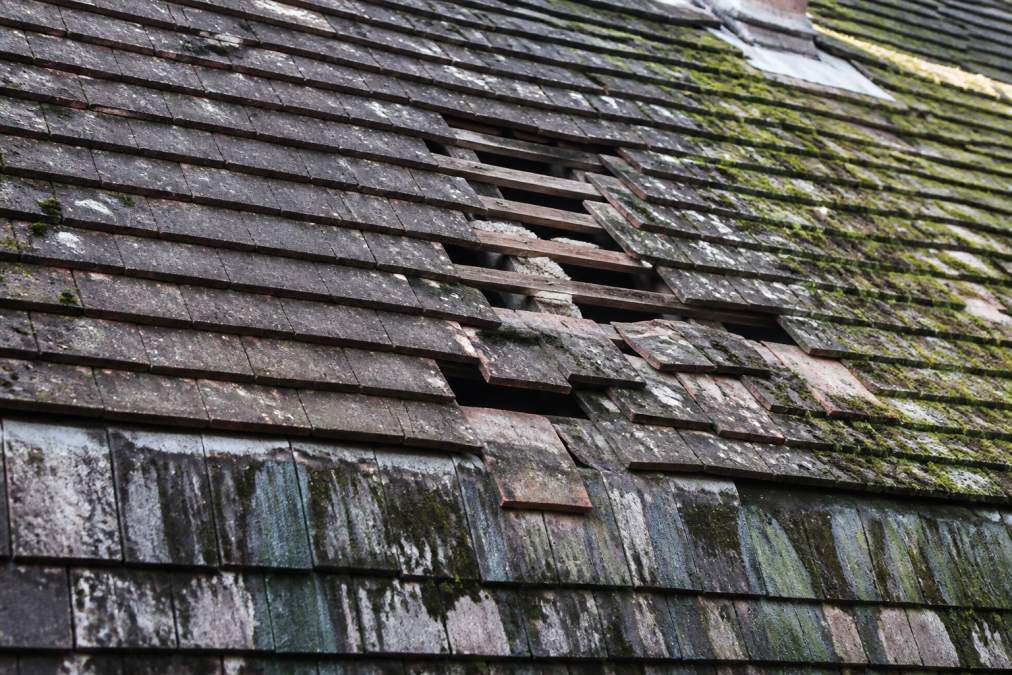
Moss and algae growth indicates moisture retention and biological colonisation. Dark streaks or green patches in shaded areas can establish thick mats that trap water against the roof surface, leading to premature tile or shingle failure. This is a structural warning sign, not merely cosmetic.
Missing, cracked, or curling tiles and shingles expose the underlayer to direct weather exposure. Even a single missing tile creates a pathway for water infiltration. Curled edges indicate the material is reaching end-of-life and becoming brittle.
Sagging or uneven roof lines point to structural issues beneath the surface. Water may be pooling in those areas, or the supporting framework could be compromised. This requires immediate professional assessment.
Debris accumulation in gutters and valleys prevents water from draining properly. Leaves, moss, and sediment block water flow, forcing it to back up under tiles and into fascias. Gutters should be cleared at least twice yearly.
Visible water stains on interior ceilings or walls indicate active leaks. Water damage spreads quickly once it enters the building envelope, affecting insulation, joists, and plasterwork.
Granule loss from asphalt shingles (visible as grit in gutters) signals UV degradation and approaching end-of-life.
If you spot any of these signs, don’t assume they’ll resolve themselves. Water damage accelerates exponentially once it starts. A small leak today becomes structural rot within months.
Creating Your Roof Inspection Checklist
A systematic inspection approach catches problems before they become emergencies. Use this checklist to evaluate your roof’s condition.
Visual inspection from the ground:
- Scan for visible moss, algae, or lichen growth
- Look for missing, cracked, or displaced tiles or shingles
- Check gutters and downpipes for debris blockages
- Examine fascia boards and soffits for rot, water staining, or pest damage
- Look for sagging or uneven roof lines
- Check for visible gaps or separations at roof junctions
Interior inspection from the loft or attic:
- Look for water stains, damp patches, or active drips on underside of roof
- Check for mould or mildew growth on timbers
- Inspect insulation for water damage or compression
- Look for daylight penetrating through gaps
- Check ventilation is unobstructed and functioning
Gutter and drainage system:
- Clear gutters of leaves, moss, and sediment
- Check for standing water in gutters
- Inspect downpipes for blockages or damage
- Verify water is discharging away from the building foundation
- Look for rust, corrosion, or separation in metal gutters
Flashing and junction points:
- Inspect where roof meets chimneys, vents, and skylights
- Check mortar around chimney flashings for cracks
- Look for gaps or separation at roof valleys
- Verify sealant around vents hasn’t cracked or failed
Timing your inspection:
Early spring and autumn are ideal inspection windows. Spring reveals damage from winter weather; autumn allows you to clear debris before winter. After severe storms, inspect immediately for impact damage. If you’re uncomfortable working at height, a professional surveyor can perform a thorough assessment with specialist equipment.
A documented inspection record helps you track changes over time and provides evidence to insurance providers if claims become necessary. Photograph any concerns and note dates.
Roof Moss Removal: Cost and Prevention
Moss thrives in damp, shaded environments, particularly common in areas with mature trees, high rainfall, or poor ventilation. Once established, moss growth accelerates, trapping moisture and degrading materials. Removal and prevention require different approaches.
Removal methods vary in effectiveness and risk:
Pressure washing carries significant risk. High-pressure water can dislodge tiles, force water under flashings, and damage mortar pointing, leaving the roof more vulnerable to leaks than the original moss problem.
Soft-washing and biocide treatments are gentler alternatives. These use low-pressure water combined with moss-killing solutions that break down biological growth without damaging the roof structure. The moss dies, loosens, and can be carefully removed.
Manual removal with soft-bristled brushes works for light infestations but is labour-intensive and requires safe access equipment.
Prevention is more cost-effective than removal:
Improve roof drainage by ensuring gutters and valleys are clear. Blocked drainage forces water to pool, creating ideal conditions for moss growth.
Reduce shade by trimming back overhanging branches. More sunlight and air circulation create a drier environment where moss struggles to establish.
Install zinc or copper strips along roof ridges. As rainwater runs over these metals, it carries ions that inhibit moss growth on lower sections.
Improve roof ventilation. Better air circulation reduces moisture retention. Check that soffit vents aren’t blocked and ridge vents are functioning properly.
Consider moss-resistant roof materials when replacing sections. Some modern tiles and shingles incorporate treatments that naturally resist biological growth.
Rather than investing in removal alone, combine removal with preventative measures to reduce recurrence. Aquaclean Solutions offers professional roof cleaning using surface-appropriate methods that remove moss safely without damaging the underlying material, whilst providing guidance on preventing future growth.
Seasonal Maintenance Schedule for Your Roof
Establishing a seasonal routine prevents small issues from becoming expensive problems. Different seasons present different challenges.
Spring (March to May):
Inspect the roof for missing tiles, displaced flashing, and water staining inside the property. Clear gutters of winter debris. Check that water is draining properly away from the foundation. Trim back branches that overhang the roof.
Summer (June to August):
Use dry, stable weather for necessary repairs. UV exposure is at its peak, making this an ideal time to assess shingle or tile condition. Check sealants around flashing and vents. Ensure gutters remain clear. Inspect for pest activity in roof voids or soffits.
Autumn (September to November):
Clear gutters thoroughly as falling leaves create significant blockages. Trim back branches aggressively before winter weather arrives. Inspect the roof for damage before winter intensifies. Check that roof ventilation is unobstructed. Have repairs completed before winter weather makes working at height hazardous.
Winter (December to February):
Avoid working at height unless absolutely necessary. Conduct interior inspections for water stains or damp indicating active leaks. Monitor gutters for ice formation that could block drainage. After heavy snow, check that snow isn’t damaging gutters. Document any damage for spring repairs.
Set calendar reminders for seasonal maintenance tasks. Consistency matters more than perfection; regular attention catches problems early.
When to Repair vs. When to Replace
This decision hinges on three factors: the extent of damage, your roof’s age, and the cost comparison between repair and replacement.
Repair makes sense when:
Damage is localised to one or two areas. A few missing tiles, small flashing damage, or moss growth affecting less than 20% of the roof can be repaired cost-effectively.
Your roof is less than 15-20 years old. Most pitched roofs have a serviceable life of 20-30 years depending on materials and maintenance (nist.gov).
The repair cost is less than 30% of replacement cost. If a repair costs more than this threshold, replacement becomes more economical.
Replacement is necessary when:
Damage is widespread across multiple roof areas or affects structural elements like the underlying decking or rafters.
Your roof is approaching or has exceeded its expected lifespan. Asphalt shingles typically last 20-25 years; slate and tile can last 50+ years (fema.gov).
Repair costs approach or exceed 30% of replacement cost.
You’re selling the property. A roof with visible repairs or approaching end-of-life reduces property value. A new or recently replaced roof is a significant selling point.
The repair would be temporary. If you’re essentially “patching” a deteriorating roof, replacement provides a fresh start and extended peace of mind.
Get a professional assessment before deciding. A surveyor can evaluate whether your roof can be repaired reliably or whether replacement is prudent. This assessment costs far less than making the wrong decision.
Choosing the Right Professional for Roof Work
Not all roof professionals are equally qualified or insured. Selecting the right contractor protects both your property and your investment.
Key qualifications and certifications to verify:
Ask whether the contractor holds relevant insurance. Public liability insurance protects you if damage occurs; employer’s liability insurance covers employed staff. Request proof of current insurance before work begins.
Check whether they’re registered with relevant trade bodies. Membership in organisations like the Federation of Master Builders indicates professional standards and accountability.
Ask about their experience with your specific roof type and material. Specialists in your roof type deliver better results.
Request references from recent projects. Contact previous clients and ask about the quality of work, reliability, and whether the contractor left the property clean and tidy.
Evaluating quotes:
Obtain at least three quotes. Prices significantly lower than others often indicate corners being cut. Prices significantly higher may indicate unnecessary work.
Ensure quotes are itemised. You should see labour, materials, equipment, and debris disposal separately.
Ask what’s guaranteed. Quality contractors stand behind their work with warranties on materials and labour.
Verify that the contractor will obtain necessary permissions if your property requires listed building consent or planning permission.
Red flags to avoid:
Contractors who pressure you into immediate decisions or offer “today only” pricing are using sales tactics suggesting they prioritise closing deals over quality work.
Contractors who don’t visit your property to assess the work before quoting are estimating rather than assessing, leading to inaccurate quotes.
Contractors who offer to bill your insurance directly or promise insurance will cover everything are making promises they can’t guarantee.
Aquaclean Solutions brings fully insured professional expertise to roof cleaning and maintenance. We assess your specific situation, use surface-appropriate methods that protect your roof whilst delivering thorough cleaning, and provide clear communication throughout. Our approach prevents the damage that aggressive pressure washing causes, preserving your roof’s integrity.
Maintaining your roof requires consistent attention and the right professional support when needed. Small problems caught early cost far less than structural damage left to develop. Whether you’re preparing your property for sale, managing a commercial building, or simply protecting your investment, establishing a maintenance routine and knowing when to call professionals keeps your roof performing as intended. Get a free quote from Aquaclean Solutions and discover how professional roof cleaning and maintenance can extend your roof’s lifespan whilst restoring its appearance and protecting your property’s structural integrity.
Frequently Asked Questions
How often should a roof be inspected for maintenance?
Inspect your roof at least twice yearly, once in spring and once in autumn, to catch seasonal damage early. After severe weather like storms or high winds, conduct an additional inspection. If your roof is over 15 years old or shaded by trees, increase inspections to four times per year. Professional inspections every 2-3 years provide expert assessment of structural integrity and hidden damage that homeowners might miss.
What are the most common signs of roof damage?
Look for missing, cracked, or curled roof tiles; visible gaps in flashing around chimneys or vents; water stains on ceilings or walls inside your property; sagging sections; and granule loss from tiles (visible in gutters). Moss, algae, or lichen growth also indicates moisture retention problems. In attics, check for daylight penetration, damp insulation, or mould, which signal roof leaks. Address these signs promptly to prevent structural damage and costly water ingress.
Is roof cleaning considered part of routine maintenance?
Yes, roof cleaning is essential maintenance, particularly for properties with heavy moss or algae growth. Regular cleaning prevents moisture retention, extends tile lifespan, and improves drainage. However, cleaning method matters significantly, pressure washing can damage tiles if not done correctly. Professional cleaning using surface-appropriate methods removes debris without compromising roof integrity. Combine cleaning with inspections to identify damage hidden beneath growth and maintain optimal roof health and performance.
How can I prevent moss and algae growth on my roof?
Trim overhanging branches to increase sunlight and air circulation, as moss thrives in damp, shaded conditions. Install zinc or copper strips along the roof ridge; rainwater carries these metals down the roof, inhibiting moss growth naturally. Keep gutters clear of debris to ensure proper water drainage. Regular professional cleaning removes existing growth and applies preventative treatments. Ensure proper roof ventilation to reduce moisture. These combined measures significantly slow regrowth and reduce the need for frequent cleaning.
What’s the difference between roof repair and replacement?
Roof repair addresses specific damage, replacing broken tiles, sealing leaks, or fixing flashing, and is appropriate when damage is localised and your roof is under 15-20 years old. Replacement involves removing the entire roof covering and installing new material, necessary when widespread damage, age-related deterioration, or multiple repairs make repair uneconomical. A professional surveyor assesses whether repair suffices or replacement is more cost-effective long-term. Repair extends roof life; replacement restores full structural protection.
How long does professional roof moss removal last before it returns?
Professional removal typically keeps roofs clear for 12-24 months, depending on your property’s shade level, climate, and preventative measures applied. Heavily shaded roofs with mature trees nearby may see regrowth within 12 months. Applying preventative treatments during cleaning extends this period significantly. Regular gutter maintenance and trimming overhanging branches further slow regrowth. Rather than expecting permanent removal, plan moss management as part of ongoing maintenance. Professional methods are gentler than DIY pressure washing and preserve roof integrity whilst achieving lasting results.
How do I choose a reliable roofing contractor for maintenance work?
Verify full insurance coverage, essential protection if damage occurs during work. Ask for references from recent projects and check online reviews for consistency. Request detailed quotes in writing, specifying methods and materials. Ensure they conduct thorough inspections before quoting and explain findings clearly. Professional contractors use surface-appropriate cleaning methods rather than high-pressure washing that risks damage. Confirm they’re experienced with your roof type and local weather conditions. Clear communication about timelines and weather dependencies indicates reliability and professionalism.
What should I include in a roof inspection checklist?
Your checklist should cover: tile condition (cracks, curling, missing pieces), flashing integrity around chimneys and vents, gutter cleanliness and secure attachment, signs of water damage or staining, moss or algae growth, roof valleys for debris accumulation, and attic inspection for leaks or damp. Check for sagging sections, granule loss, and proper ventilation. Document findings with photos for reference. If you’re not comfortable on the roof, hire a professional, they identify hidden damage and assess structural concerns safely. A thorough checklist prevents missed problems.